Ship Collision in Souda Harbor: What Happened and What Comes Next (2026)
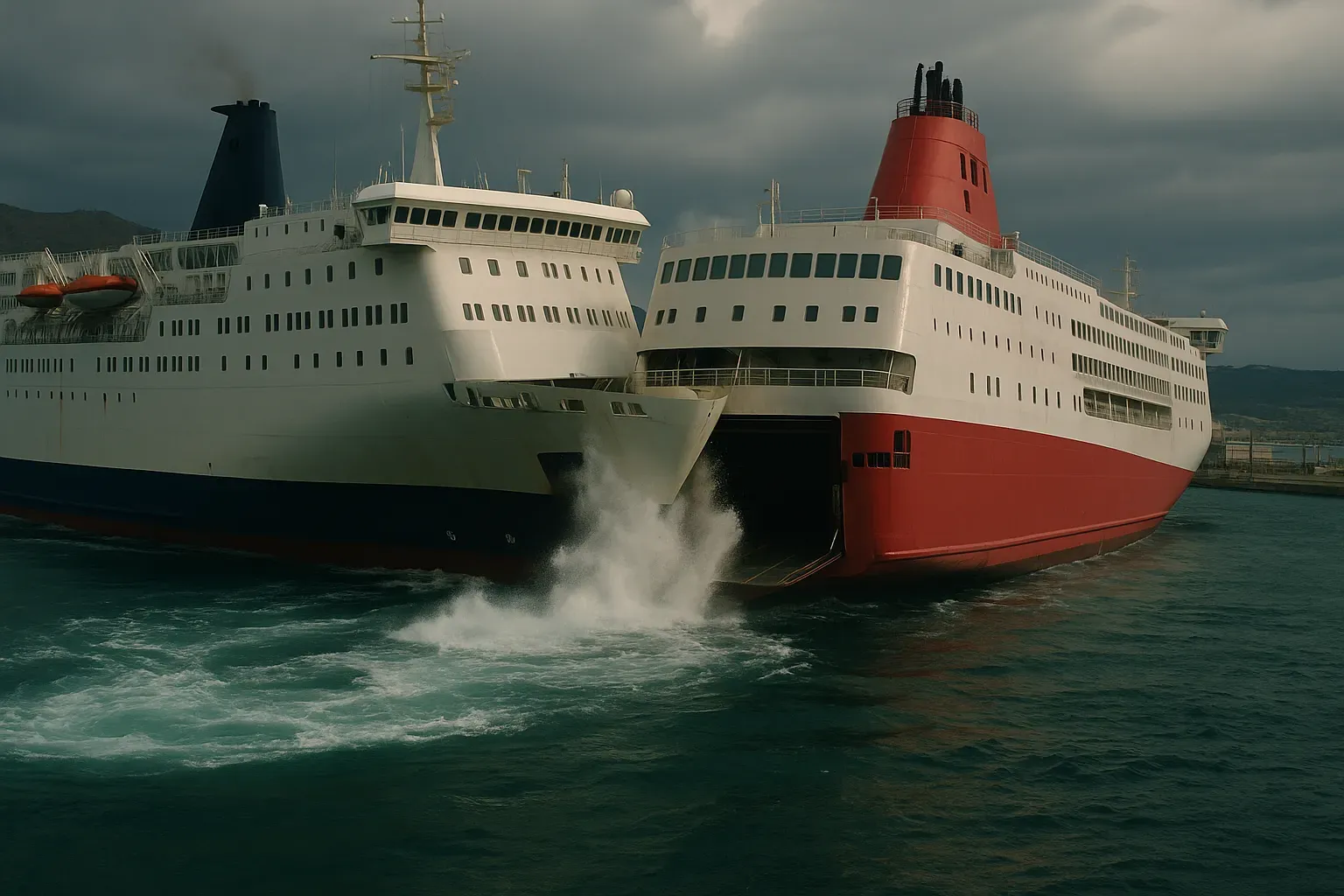
Two ships, the Ellyros ferry and RoRo Cargo Iosif K, collided today in Souda Harbor, Crete. The incident, which happened during maneuvering, fortunately caused no injuries or environmental damage. Both vessels are currently undergoing inspections to determine the cause of the accident and assess their seaworthiness.
This morning, chaos hit Souda Harbor when the Ellyros ferry and RoRo Cargo Iosif K scraped against each other. Thankfully, it sidestepped catastrophe, but it does raise alarms about maritime safety. How did these ships manage to collide in such a busy zone?
Key Points:
- The crash occurred in Crete’s bustling Souda Harbor.
- No one was hurt, and there’s no environmental harm.
- The ships are grounded for checks until further notice.
What Exactly Happened?
The Ellyros was setting off to Piraeus, while RoRo Cargo Iosif K maneuvered in to dock. A slip-up caused their paths to cross, and they bumped in a major hub of Crete’s shipping lanes.
With 100 passengers, 32 cars, and 74 trucks onboard, the situation was tense. But the crew acted fast. No one got hurt. This incident highlights why tighter rules for maneuvering in crowded waters might be needed.
The Ellyros ferry, a vital link between Crete and mainland Greece, was fully loaded with not just passengers but also critical goods. The collision, although minor, could have escalated if not for the quick thinking of the crew. Maritime experts often emphasize the importance of adherence to navigational protocols, especially in harbors as busy as Souda.
When Did the Collision Take Place?
Early today, the clash of metal in Souda Harbor jolted crew and officials awake. Both ships were sticking to routine, with just seconds to prevent a worse outcome.
Authorities are digging into the details of how this happened. They’re working with the crews to gather facts and make sure this doesn’t become a trend.
The incident occurred during peak hours, a time when the harbor sees high traffic from both commercial and passenger vessels. The early morning light and usual hustle of harbor activities might have contributed to the reduced visibility and heightened risk of human error. Such incidents underscore the need for advanced navigational aids and heightened vigilance during busy operational periods.
What Is the Impact on Shipping Operations?
Docked they sit, waiting for inspections by maritime authorities. Without their seaworthiness papers, they aren’t moving. This pause affects schedules and operations.
RoRo Cargo Iosif K held 84 trucks. The delay could mess up logistics, throwing delivery schedules into chaos. Local businesses relying on these routes need to rethink their plans.
The immediate aftermath of the collision has put a temporary halt on logistics chains, with trucking companies and local businesses scrambling to adjust. The disruption may lead to significant financial implications, as delayed shipments can incur penalties and affect supply chain reliability. Larger shipping companies might absorb these impacts better, but smaller operators could face severe challenges in maintaining their operational flow.
Are There Any Legal or Environmental Consequences?
Luckily, no spill or damage to the harbor’s ecosystem occurred. No injuries also mean legal concerns are minimal, though responsibility will still be sifted out through investigations.
Officials are digging deep with inspections and interviews to find out what went wrong and tweak safety rules to keep it from happening again.
The absence of environmental damage is a relief, yet the incident serves as a reminder of the fragile balance within maritime ecosystems. The authorities are now focusing on implementing more stringent safety checks and possibly revisiting the harbor’s traffic management systems to prevent future occurrences. This incident might prompt a re-evaluation of insurance policies and liability clauses, ensuring that all stakeholders are adequately covered in such events.
What Does This Mean for Maritime Safety?
This bump in the harbor is a wake-up call. It demands a review of safety measures in places like Souda. Better training and cutting-edge tech could be next to ward off such incidents.
The maritime world is watching closely. How this unfolds may shape new benchmarks for safety in ports around the globe.
In recent years, the maritime industry has been investing in technologies like automated navigation systems and collision avoidance software. These tools, combined with enhanced training programs for crew members, could significantly reduce the risk of similar incidents. This event may accelerate the adoption rate of such technologies, prompting policy changes at both national and international levels.
See Also:
The Final Verdict
As the probe continues, efforts are aimed at boosting maritime safety protocols. This incident, a narrow escape, serves as a stark reminder of the risks inherent in crowded shipping routes. Constant improvement in safety practices is crucial to fend off future mishaps.
Will these steps renew faith in Mediterranean ports? What do you think?