Weather Forecast for Hessen in 2026: Cloudy Skies and Occasional Rain
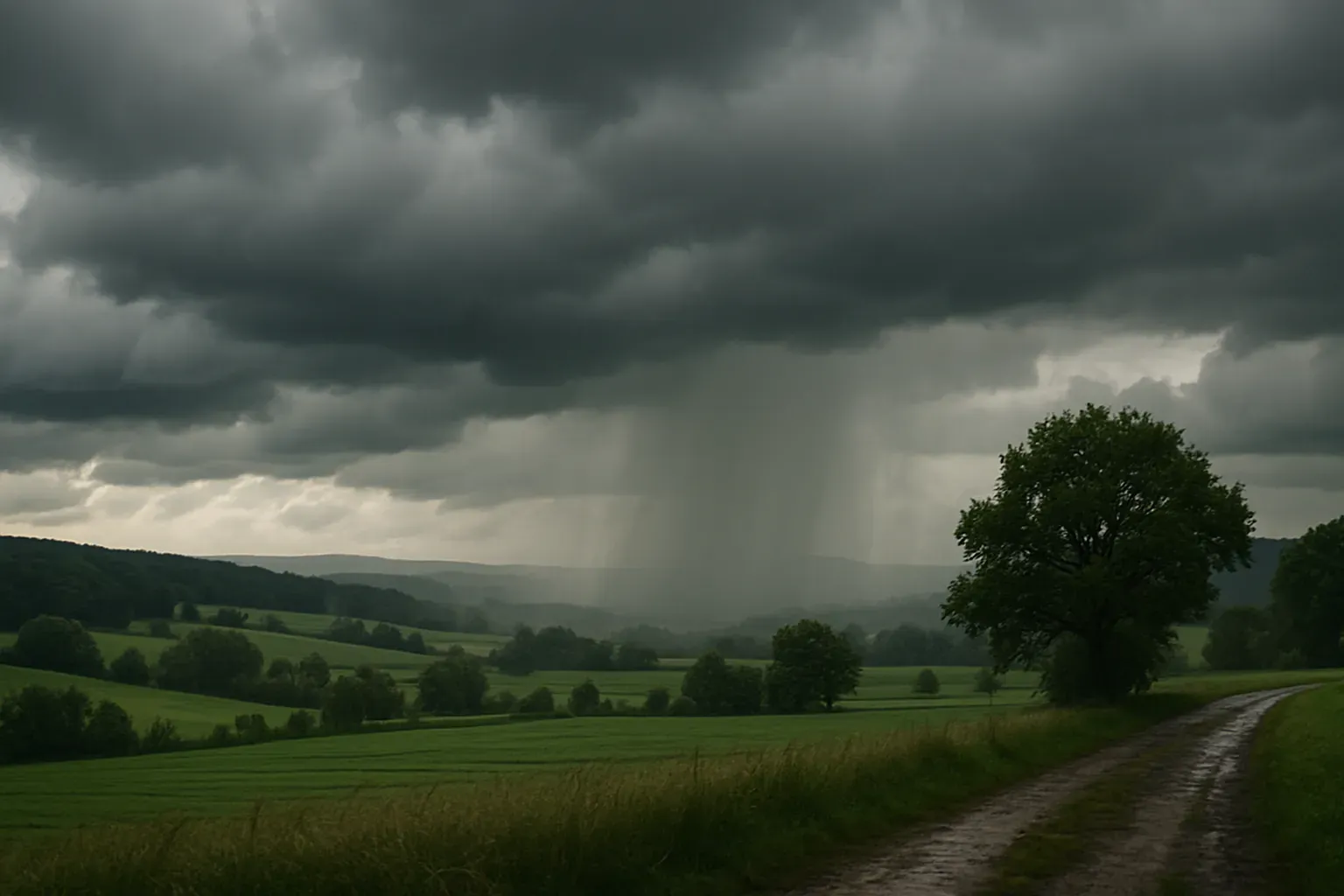
Expect mostly cloudy days in Hessen during midweek, especially with rain up north. Temperatures will swing from 21°C in the north to 26°C at the Bergstraße, as per the Deutscher Wetterdienst. Nights cool down to between 13°C and 8°C.
Wednesday kicks off in Hessen with clouds hanging thick and rain scattered over the north, yet the south sees some sun. The German Weather Service points to a distinct weather split: cooler 21°C in Nordhessen, but a toastier 26°C at Bergstraße. A pocket of warmth in cooler weather.
Key Highlights:
- Temperatures span from 21°C in Nordhessen to 26°C at Bergstraße
- Deutscher Wetterdienst notes variable clouds and rain
- Nights cool off to between 13°C and 8°C
What to Expect in Mid-Week Weather?
The week starts mixed in Hessen. Mostly cloudy skies, with the north catching some light rain. But, southern areas might catch a bit of sun.
The DWD shares that high-altitude areas like the Rhön will stay cooler, roughly 17°C. As night falls, more clouds roll in, possible drizzle hits the north, and temperatures dip. It’s shaping up to be a topsy-turvy week.
Wind patterns also matters during this period, with breezy conditions prevalent in the higher regions, potentially impacting outdoor activities. Farmers, in particular, need to be vigilant about these changes, as they can affect crop management and harvesting schedules.
Will the Weather Improve by the Weekend?
Later in the week, things look up. Thursday begins the same but then brightens, especially in Southern Hessen.
The DWD predicts sunnier days, particularly in the south like Bergstraße, with dryness and temperatures from 24°C to 28°C. The north stays on the cool side, but rising temperatures signal better weather. Clear skies that Thursday night suggest a good start to the weekend.
Such improvements are anticipated to continue into Friday and Saturday, making it an excellent opportunity for outdoor events and activities. The clearer skies will likely encourage locals and tourists to explore the scenic countryside and historical towns that Hessen has to offer.
Why Such Varied Temperatures in Hessen?
Hessen’s unique geography is behind its weather quirks. Take Bergstraße, which enjoys a gentle microclimate thanks to the landscape. Perfect for vineyards.
This varied terrain means spots like the Rhön stay colder. The Deutscher Wetterdienst stresses these microclimates are crucial for nailing down forecasts in Hessen.
These climatic differences can be attributed to the diverse topographical features of the region, which include valleys, forests, and elevated areas. Each of these features influences how weather systems, such as fronts and pressure systems, interact with the region, leading to localized variations.
How Do These Weather Patterns Impact Daily Life?
Hessen’s changing weather touches everything from farming to everyday travel. Vineyards in Bergstraße thrive in mild climes.
On the flip side, the shifting weather calls for smart planning for outdoor happenings and farming. Getting a grip on weather trends is key, especially where Nordhessen or the Rhön can change on a dime.
The transportation sector is also significantly impacted. With potential for sudden weather changes, commuters and logistics companies need to stay informed about weather updates to avoid disruptions. The region’s infrastructure must adapt to these changes, ensuring road safety and efficient public transport operations.
See Also:
- Weather Patterns in 2026: Beyond Just High Temperatures
- Καταιγίδες και Ζέστη στη Βόρεια Ελλάδα το 2026: Τι να Προσέξετε
What’s the Final Outlook?
As mid-week closes in, Hessen’s weather remains a mixed bag, shifting from clouds to sunbeams. With temperatures stretching from 21°C in the north to 28°C in the south, tracking these changes is key for locals. Weather shapes much of Hessen’s daily rhythm.
Are you ready for the weather changes ahead?
Communities across Hessen are encouraged to embrace these weather variations by adopting flexible lifestyle practices and infrastructure improvements. This resilience is crucial in maintaining a balanced coexistence with the natural environment, ensuring that both residents and the region’s economy can thrive despite climatic unpredictability.